
In Praise of the Herbal Mind Menders
or Why My Focus as an Herbalist Became Lower-Interaction Nervines
Mind menders are what I call the herbs that keep my mind well enough to go about my daily business. They’re all nervines, many with a tonic function — and they’re soothing to my body/mind as much as my spirit.
In 2021, I was working through levels one and two of the Sacred Vibes Apprenticeship program, unsure of what my focus would be, when I met the man who’s now my husband on Clubhouse. A couple months into dating, I was like “you know, I would LOVE to be less irritable.”
I’m autistic; I also live with CPTSD and OCD, so irritability is a mainstay in my life. I read that Zoloft could help, so I went to my Black therapist, who sent me to a Black psychiatric nurse practitioner, who prescribed me the Zoloft. Boom. Culturally competent care and less irritable virtually overnight.
Super numb, though. That was fine enough, life is a give and take. Still I went back to the psych nurse, an older woman so cavalier about my questions that in hindsight it was a red flag. She switched the Zoloft to Wellbutrin, and that was…less numb. I felt a distinctive will to live. Not that I’d felt the converse; I decided long ago that I would not kill me, because I would never give these muthafuckas the satisfaction, darling.
As I’ve said many, many times, I have Lupus. I take Hydroxychloroquine to live, and I have since I was twenty years old. I am fully prepared to be on Hydroxychloroquine until I go on home to glory. It’s great. It keeps me from having Lupus flares, which is when the funk truly hits the fan.
Come to find out that both Zoloft and Wellbutrin have an interaction with Hydroxychloroquine. What does it cause, you ask? Oh nothing much, only potentially SUDDEN FUCKING DEATH!
Why was I not told before I started? Why did they start me on these medications at all, which are very helpful for some people, even though they weren’t in any way appropriate for me?
The staff at my therapist and psych nurse’s office knew I was on hydroxychloroquine, but it wasn’t until I moved to Upstate New York, and had to get a remote doctor’s visit to refill the Wellbutrin that this random doctor was like “why would someone put you on this? You will die.” He probably saved my life.
But then I had to quit psych meds cold turkey.
Because of my training as an herbalist, this wasn’t as bad as it could be.
I ended up working with Reshi for my level two plant walk, so I knew a lil bit about making spirit medicine and magic with mushrooms
I hung out with Elle Ess and Dee a few years prior, and it had the unintended side effect of banishing my major depression. It still hasn’t come back and it’s been over six years. To keep the good vibes a-flowin’, I microdosed mushrooms when I went to EMDR, which turned something that wasn’t working into something slightly helpful.
So when I got yanked off my meds, I returned to a mix of Reshi and, uh, other mushrooms. This got me over the hump of med withdrawal.
Am I saying you should do this? No. As the Indigo Girls famously sung “I’m tryna tell you somethin’ bout my life.” This is not medical advice.
Ok, with that inevitable question/critique squared away, there was still a major difficulty before me—herbs can have medication interactions as severe as any other medication.
It’s important that we don't romanticize herbs as the interaction-free, magic bullet against western allopathic medicine.
When the conversation makes it sound too much like herbalism is so pure and good that it would never hurt anyone, what I hear is that the speaker doesn’t believe that herbal medicines work.
The changes in the body herbs create have real impact, and can be inappropriate for people with certain conditions or on certain medications. An herb that improves my life may not be the correct one to improve yours, and could even have the opposite effect.
After the whole ordeal was over, I continued my education as an herbalist with a focus on lower-interaction herbs, particularly ones indicated for people with autoimmune diseases, others who take long-term or lifelong medications (like psych meds and HRT), and nervines — which are the class of herbs that work on our nervous systems.
Here are three herbs I work with literally every day that have fewer medication interactions than other herbs (notice I didn’t say “none.”) I have good relationships with these plants, two of which are part of my direct ancestors’ plant relationships. My earliest known manumitted ancestor, Thomas Titus, was freed from bondage in Plainsboro, NJ in 1818 and went on to farm oats. My great-grandmother, born one hundred years later, grew beautiful red rose bushes outside of my childhood home.
Oatstraw and Milky Oat Seed: Did you know the oatstraw is a powerful healing tonic for those of us under chronic stress, living with anxiety, or healing after prolonged illness?
Oatstraw relaxes the mind, and hydrates dry thinking, sometimes making life and healing feel more possible. Oatstraw can teach us how to heal through softness and nourishment, which is what makes it especially helpful in a society that asks us to work endlessly without care.
There’s an honesty to oatstraw. It teaches me how to be okay for real, rather than putting on a happy face. It’s been amazing for my anxiety, and also tastes nice — which is not a given. Also, most of us have some relationship with oats already, so it’s work can be a little quicker, particularly when working with oat seed.
Kapoor Tulsi aka Holy Basil: Capitalism makes burnout inevitable. Kapoor Tulsi nourishes our brains, and helps us navigate our culture of overwork while being kind to our body/minds and ourselves.
The first time I had a cup, during my time as a student at People’s Medicine School at Rootwork Herbals, I felt my heart space just…open up. It was like circulation had returned to some mystical, spiritual part of my heart.
Aromatics clear up stuck energy, and I think that’s very beautiful. I work with holy basil to sweet the cobwebs from the corners of my heart and mind.
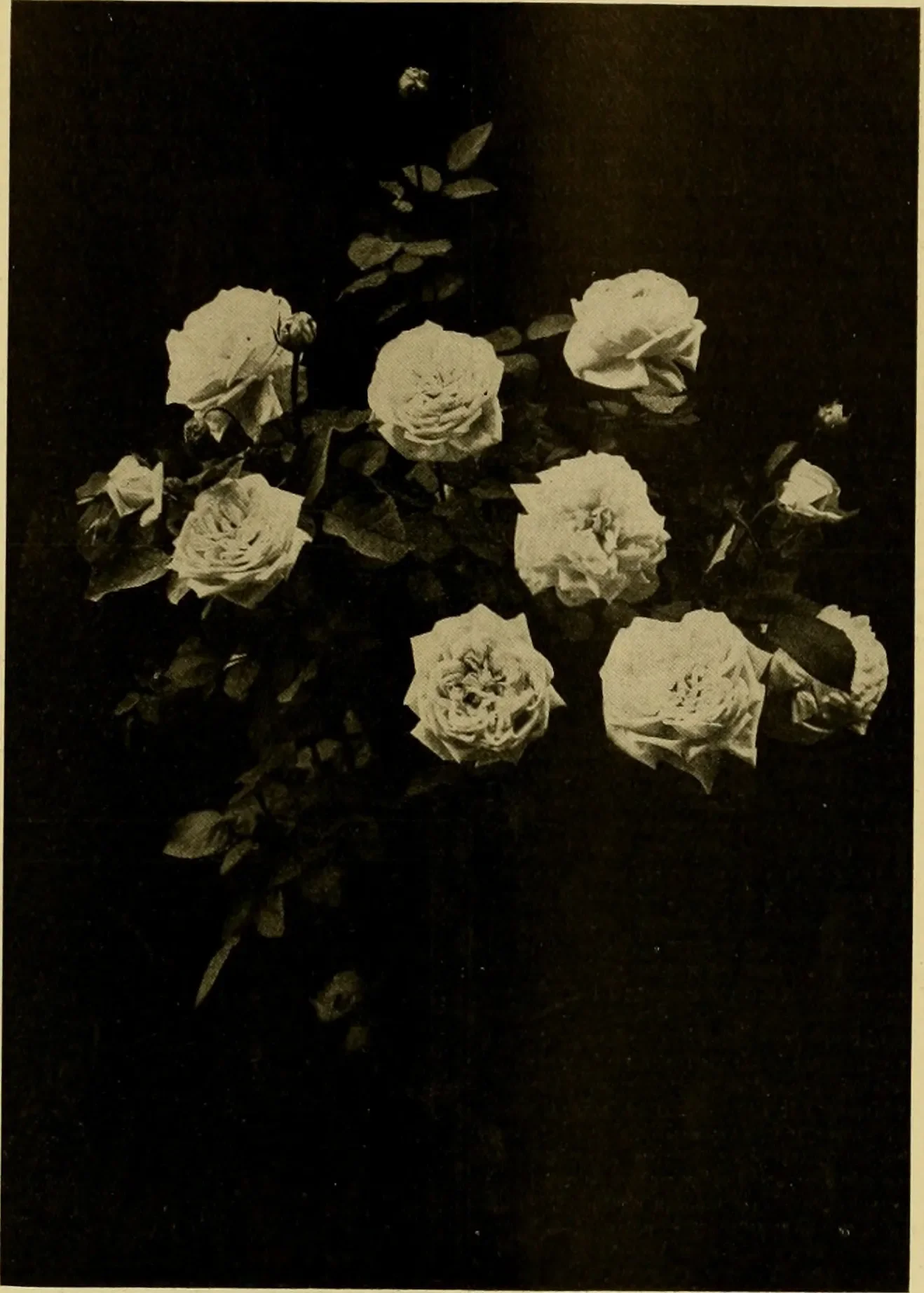
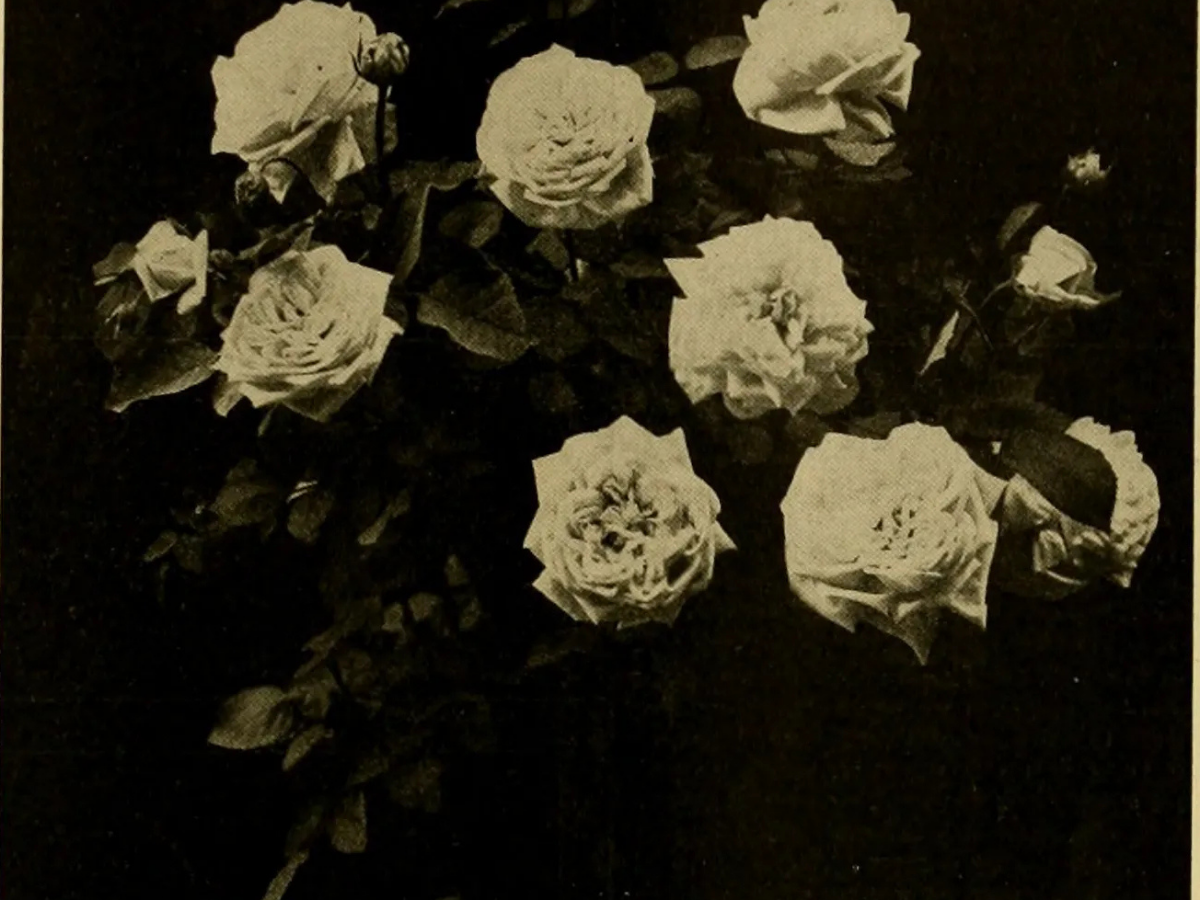
Rose Petals: Is there any plant ally more beloved than the rose? Its beauty and scent have inspired love poems, fueled winter holidays, and helped countless people open their hearts to love.
Roses are high vibrational, and although that’s a term I generally hate, the shoe fits. Roses soften us. Roses keep things flowing and keep our hearts open in a world that can feel way too rough.
It’s no surprise that roses have an association with the heart. Rosehips, the fruit of the rose bush, are a powerful cardiotonic that some studies have found to reverse hardened arteries! (You don’t have to take my word for it, here’s what the Journal of Nutritional Biochemistry has to say about it.)
If you’ve come to the end of this article thinking to yourself damn, I’d like to drink some herbal tea right now. Well, you’re in luck.
Take the Plant Ally Matchmaker quiz, and you’ll be matched with one of the three herbs above.
Further Thoughts

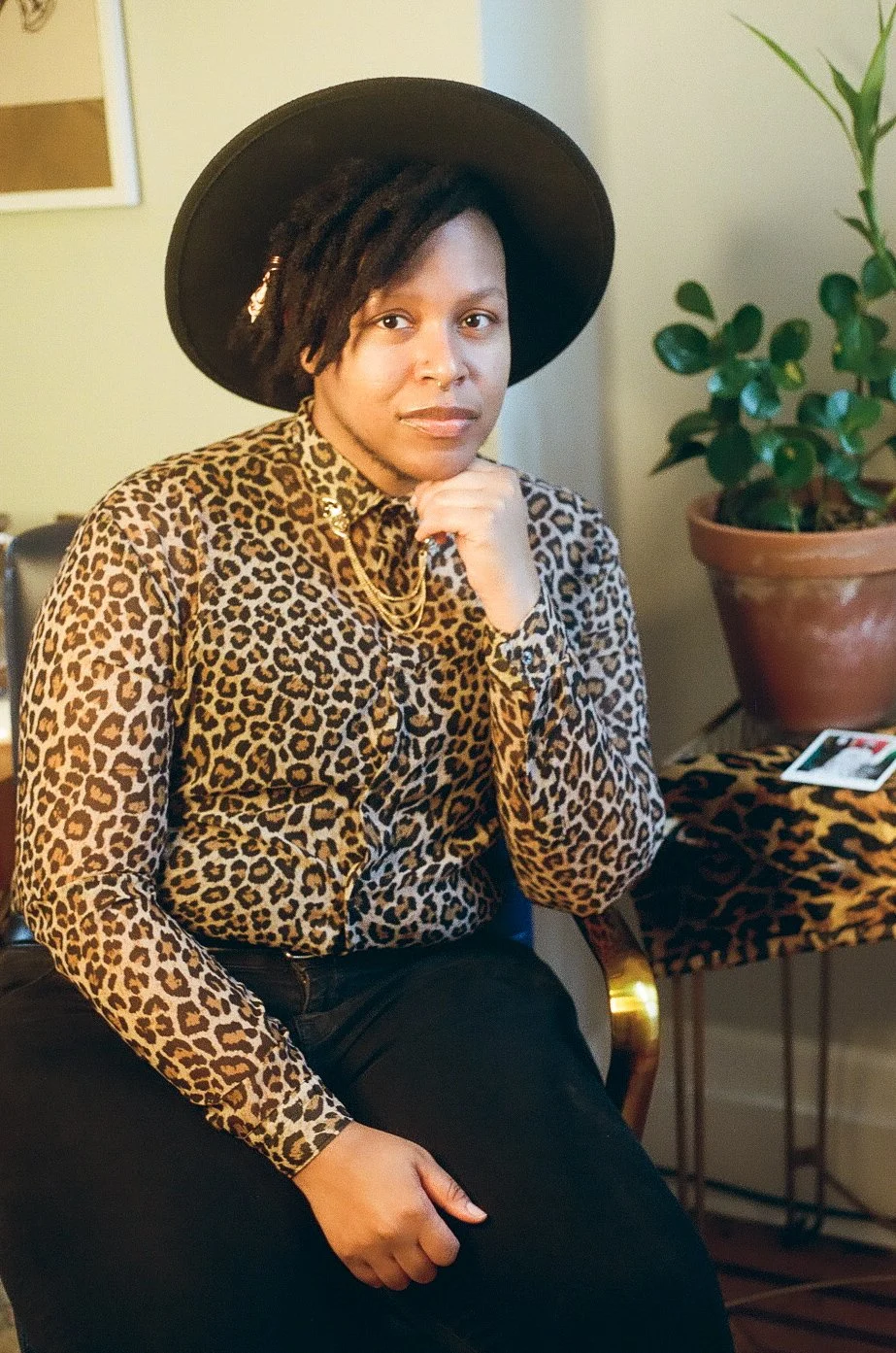
Hey, I’m Cyrée
I’m a rootworker, diviner, and clinical herbalist. I believe that spirit work is an essential part of all movements for justice. I hope you’ll take a look around, there are plenty of opportunities here to deepen your connection with your gifts (with my guidance.)
Burnout is a spiritual problem. Burnout occurs when your spirit asks for ease, and capitalism forces you to say "no."
Capitalism is a spiritual enemy. Capitalism is an enemy of wellness. Capitalism is an enemy of the body itself.